introduction: with the evolution of network attack patterns, us high-defense cloud servers will become an important part of enterprise infrastructure in 2026. focusing on the theme of "what are the mainstream solutions and comparative analysis of high-defense cloud servers in the united states in 2026", this article conducts a professional review from the dimensions of protection type, performance, scalability and compliance, aiming to provide a clear reference for technology selection and procurement decisions.
in the u.s. market, mainstream high-defense cloud solutions usually cover cloud-native ddos mitigation, edge acceleration (cdn+waf), hardware protection acceleration, and hybrid deployment. different solutions have different emphasis on traffic absorption, response delay, and application layer identification capabilities. enterprises need to choose the appropriate combination based on business characteristics and risk models.
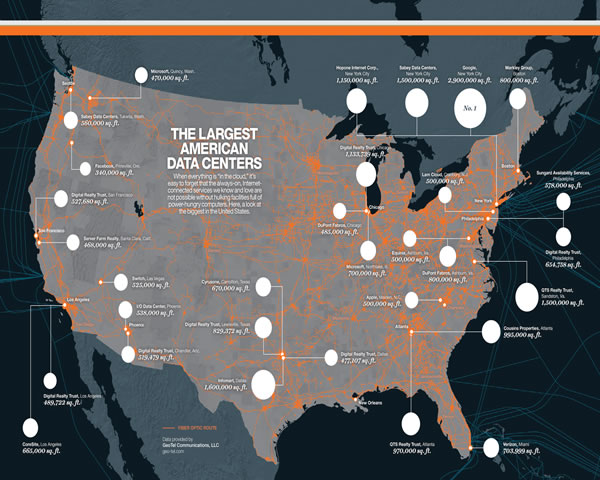
ddos protection is divided into two mainstream strategies: network layer (l3/l4) and application layer (l7). the network layer focuses on large traffic absorption and cleaning, while the application layer focuses on behavior recognition and genealogy analysis. when evaluating, focus on key indicators such as peak absorption capacity, degree of automation of cleaning strategies, and misjudgment rate.
modern high-defense clouds are usually deeply integrated with load balancing and edge nodes, which can distribute traffic to global nodes and perform nearby cleaning. for cross-regional services, it is particularly important to evaluate network topology, back-to-origin strategies, and link redundancy to ensure that availability and stability can be maintained under attacks.
auto-scaling is one of the core requirements of high-defense cloud, which can automatically expand cleaning capabilities and restore resources when an attack strikes. automated protection includes traffic fingerprint learning, automatic rule distribution, and policy rollback. when evaluating, attention should be paid to response time, policy false trigger rate, and recovery process maturity.
deploying high-defense cloud in the united states requires balancing compliance and data sovereignty requirements, especially when it comes to sensitive data or regulated industries. the completeness, storage duration and exportability of audit logs, as well as proof of compliance (such as industry compliance framework support) are key points that must be verified when selecting.
the actual effect of the high-defense solution is closely related to the operation and maintenance capabilities of the manufacturer or service provider. key considerations include around-the-clock security response, threat notification mechanisms, frequency of drills and sla terms. priority should be given to service providers with practical response processes and transparent reporting mechanisms.
summary: when evaluating "what are the mainstream solutions and comparative analysis of high-defense cloud servers in the united states in 2026", business risks, traffic characteristics and compliance requirements should be the core, combined with ddos mitigation capabilities, automation levels, network integration and operation and maintenance support to make trade-offs. it is recommended to conduct traffic and risk assessment first, then conduct drills to verify the protection effect, and gradually adopt a hybrid or layered protection strategy to obtain the best cost performance and flexibility.
- Latest articles
- Analysis Of The Advantages Of German Independent Servers In Cross-border Data Processing From The Perspective Of Regulatory Compliance
- A Practical Guide To Listing And Deploying Taiwan Cloud Server On Amazon
- Research On The Access Speed And Conversion Rate Of E-commerce Websites After Using Japanese Line CN2 Transfer
- Technical White Paper South Korea’s Large Bandwidth Server Rental Architecture And Bandwidth Control Strategy
- A Must-read For Beginners: Practical Methods For Optimizing Performance After Downloading And Installing Vietnam Zombie Servers
- Shanghai Japan Cloud Server Network Latency Test And Optimization Implementation Plan
- Korean Group Website Advertising Strategy, Local Platform Selection And Conversion Rate Improvement
- Network Interconnection And Routing Practice Of Hong Kong Cloud Server Cn2 In Multi-cloud Architecture
- From Logs To Traceability, Tracking And Analysis Methods After Tencent Cloud Hong Kong Server Was Attacked
- Stable And Cheap Malaysian Server For Live Video Broadcast. Key Points Of Delay And Jitter Control
- Popular tags
-

How To Use Site Group Usa To Improve Overseas Site Access Speed And User Experience
this article introduces how to improve overseas site access speed and user experience through the site group us strategy, covering practical suggestions such as node selection, cdn integration, dns and load balancing, front-end optimization, mobility and localization, monitoring and compliance, etc. -

Summary Of Questions And Answers: How Much Does Server Hosting Cost In The United States? How To Reduce Long-term Expenses?
summary of q&a: analyze what factors affect server hosting fees in the united states, how to evaluate hosting costs, and give feasible long-term cost optimization suggestions to help companies achieve reasonable budgets and sustainable operations. -
Enterprise Case Analysis Of The Actual Effect Of Building An Agent For Multi-ip Station Group Servers In The United States
through case analysis of enterprises deploying multi-ip server clusters and setting up proxy services in the united states, we evaluate the actual effects and key points of compliance, performance, and operation and maintenance of traffic collection, search rankings, and regional delivery.